Choosing Durable Fencing Materials for Every Climate Jun 05, 2026
Understanding the impact of climate on fencing can help homeowners and businesses alike make informed decisions. Whether you are battling intense sun, heavy rainfall, or extreme cold, the right fencing material can withstand these challenges while providing security and style.
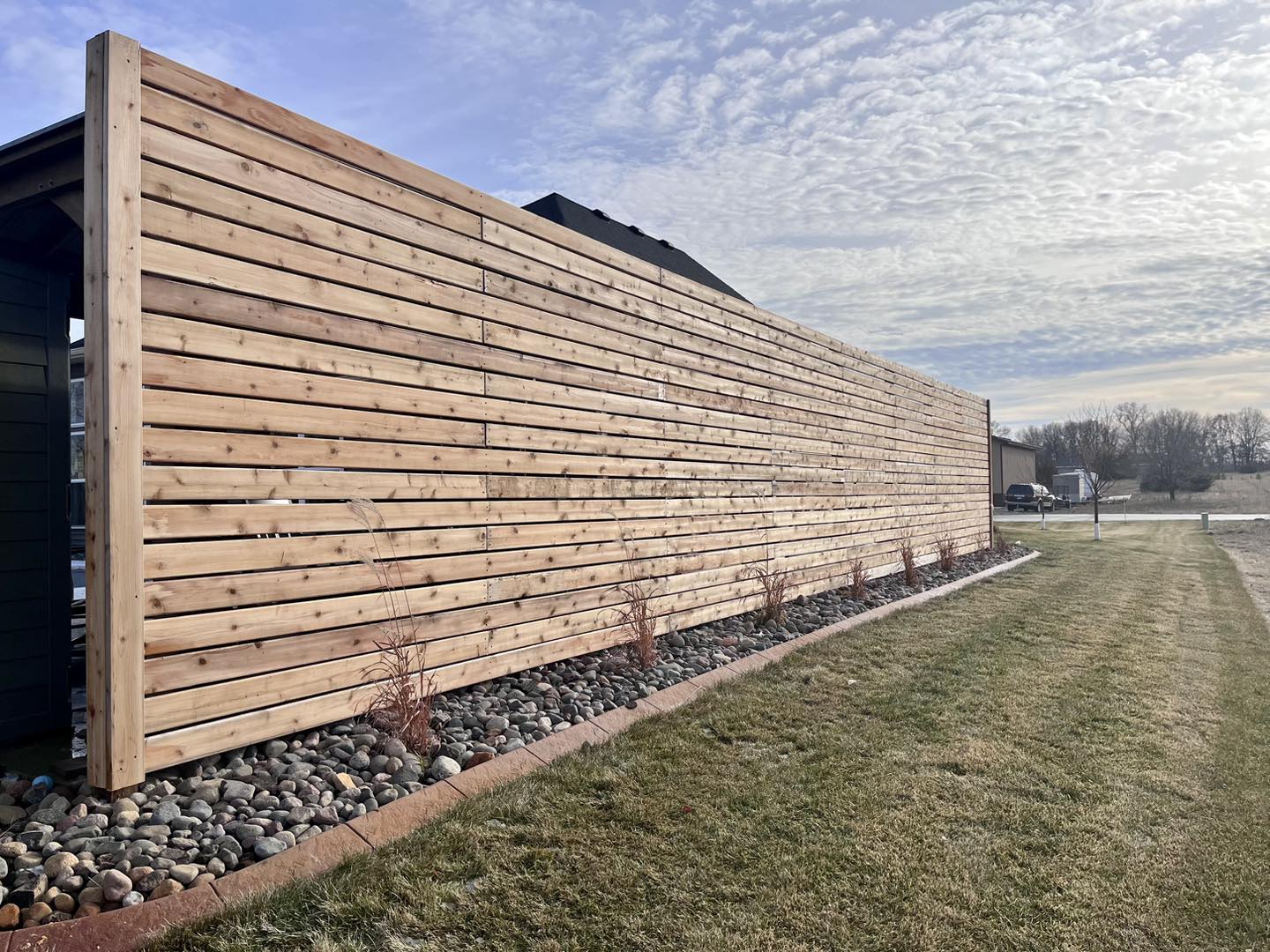
In tropical and humid climates, moisture resistance is key. Wood fences often suffer in these conditions unless properly treated and maintained. Cedar and redwood, due to their natural resistance to decay and rot, are popular choices. Alternatively, vinyl fencing has become a reliable option as it withstands moisture well and requires minimal maintenance. This makes vinyl an appealing choice for those looking to combine durability with ease of care.
For regions that experience hot, dry conditions, UV resistance is essential. Sun can warp and discolor certain materials, diminishing their lifespan and appearance. Metal fences, such as aluminum or wrought iron, are excellent at resisting sun damage. They offer the added benefit of minimal upkeep and a long-lasting lifetime. Consider powder-coated finishes to further enhance their resistance to the sun’s harsh rays.
In cold climates, the freeze-and-thaw cycle can be damaging. Wood can expand and contract, leading to warping or cracking. Here, composite materials come into play. These fences blend wood fibers with plastic, providing the appearance of wood with the durability of synthetic materials. Composites are designed to handle temperature fluctuations without compromising integrity, making them ideal for areas with harsh winters.
Windy environments pose unique challenges for fencing decisions. A solid panel fence might seem a strong barrier, but wind can create pressure and potentially cause structural damage. Instead, opt for split rail or picket designs that allow wind to pass through, reducing resistance and prolonging the lifespan of your fence.
No matter what climate you live in, maintenance is key. Regular checks and upkeep extend the life of any fence. For wood, this might mean sealing and staining every few years, while metal requires rust prevention treatments. With vinyl and composite, an occasional wash is often sufficient to maintain their appearance and functionality.
Nelson Family Fence is committed to providing expert advice tailored to your specific environmental conditions. Our vast selection of materials ensures that we can meet your needs, whether you require a fence that blends seamlessly into its natural surroundings or one that stands out as a statement piece.
Choosing the right fencing material for your climate can save you time, money, and unnecessary headaches. Investing in the right solution from the start prevents costly repairs and replacements down the line. Whether it’s the enduring beauty of wood, the low maintenance of vinyl, or the strength of metal, there’s a perfect option tailored to withstand the elements and keep your property secure and stylish.
In sum, selecting the right fencing materials equipped to handle your local climate will ensure your investment is as practical as it is attractive. Trust Nelson Family Fence to assist you in making an informed decision that will provide peace of mind and enduring protection for years to come.
/filters:no_upscale()/filters:format(webp)/media/3be98c81-8992-4c91-a6a4-cbc3efeb0087.jpeg)